
This works well for manufacturing units and their machinery and production units. Explore the comprehensive guide to depreciation methods including straight-line, declining balance, and units-of-production, essential for Canadian accounting exams. Units of Production Depreciation can also be more complex to calculate than other depreciation methods. This is because it requires companies to track the usage of their assets over time, which can be time-consuming and labor-intensive. Depreciated cost is the actual cost units of production depreciation of an asset after accounting for depreciation. For example, if a company buys a machine for $100,000 and the expected life of the machine is 10 years, the annual depreciation would be $10,000.
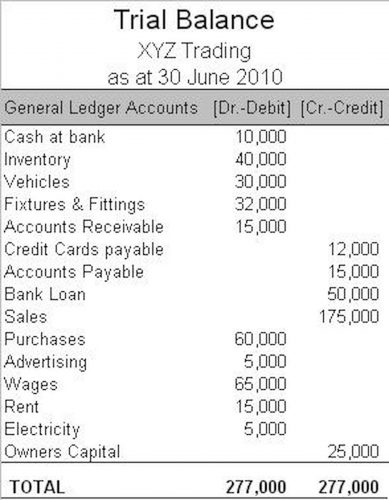
Trial Balance
The actual units produced in the 1st year of its operations are 3 million barrels. It is a system that records larger expenses during the initial years of the asset’s useful life and smaller in the later years. It allows businesses to align their depreciation expenses with the actual productivity levels, promoting better matching of costs with revenues. This calculation shows that the depreciation expense for the year would be $4.5 million, which accurately reflects the usage of the crane during that period. This example illustrates how the https://www.bookstime.com/ UOP method can provide a realistic and fair allocation of the cost of an asset over its productive life. If during the first accounting period the equipment produced 13,500 units, then the calculation of the depreciation expense for the accounting period is as follows.
Conclusion and Recommendations for Using the Unit of Production Method
- The new Accumulated Depreciation total then moves to the Balance Sheet where it shows the total reduction in the assets value from the time the asset was purchase.
- The unit of production method offers an alternative approach to calculating depreciation by considering the relationship between a company’s assets and the units they produce instead of measuring time.
- A successful acquisition webinar is not just a one-time event, but a strategic process that…
- Using the Unit of Production Method, the business would allocate the cost of the machine over the number of units produced.
- Therefore, a change in estimate does not alter the financial statements for prior periods.
Finally, you multiply the cost per unit by the number of units produced or consumed during the period to get the depreciation expense. Further, this method requires more calculation and estimation than the other types of depreciation methods. A company using this method of depreciation needs to calculate the depreciation expense every year since it changes depending on the level of production.
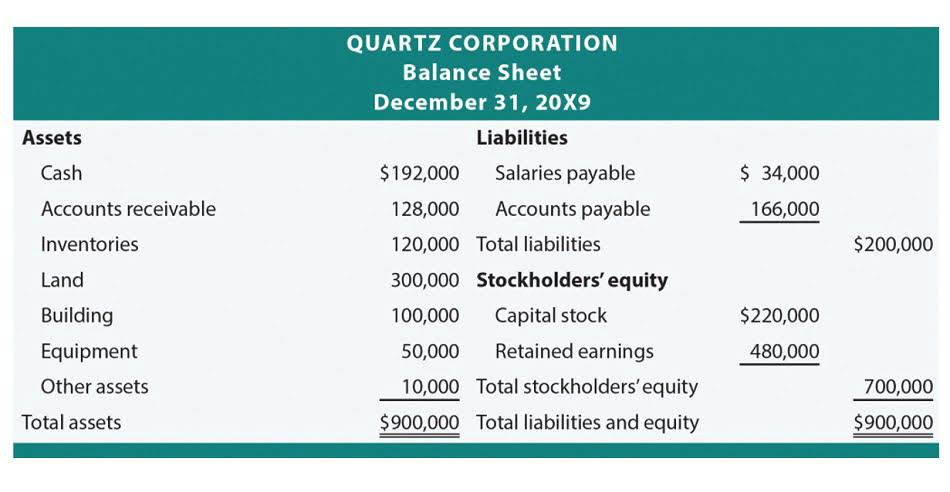
Understanding Depreciated Cost

Moreover, the method requires consistent tracking of production units, which can be cumbersome and prone to errors. Additionally, the UoP method does not account for technological obsolescence, which can render an asset obsolete before it physically wears out. In this example, the company would record a $9,000 depreciation expense for the first year, which reflects the actual use of the machine. This method provides a clear picture of the asset’s contribution to revenue generation and its current value, making it a valuable tool for businesses that rely heavily on equipment and machinery for production. The UOP method’s flexibility and accuracy make it a preferred choice for many companies looking to align their financial reporting with the physical realities of their operations. From an accounting perspective, depreciation is not only a way to allocate costs but also a strategic tool that impacts financial statements and tax liabilities.
Importance of Accurate Depreciation Calculations
The units of production method of depreciation (which is also referred to as the units of activity method) assumes that an asset’s useful life is more related to its usage rather than the mere passage of time. Under the units of production method, depreciation during a given year will be greater when there is a higher volume of activity. In conclusion, the unit of production method offers some distinct advantages that can make it an attractive choice for businesses with assets that undergo significant wear-and-tear based on their level of use. However, it also comes with certain disadvantages that must be carefully considered before making the switch from other depreciation methods, such as straight-line or MACRS.

Production Depreciation can be calculated by multiplying the units of production, which is how many units are produced during that period, times the rate per unit. Estimated units of useful life are the estimated total production units that the fixed asset can produce during its useful life. There may be a variety of measurement units for this figure, such as hour, mile or unit, etc. based on the type of fixed asset the company owns. According to management, the fixed asset has an estimated salvage value of $50 million, and the total production capacity, i.e. the estimated number of total production units, is estimated at 400 million units.
Straight-Line Method of Depreciation vs. Unit of Production
The double declining balance method is an accelerated depreciation method that charges more depreciation in the early years of an asset’s life. This method assumes that an asset will lose its value more quickly in the early years and less quickly in the later years. The advantage of this method is that it reflects the actual usage of an asset more accurately.
Navigating Depreciation Expenses with the Unit of Production Method
Let us understand the advantages of using Liability Accounts a unit to production depreciation through the points below. The book value at the end of the first year would be $40,000, and the second year’s depreciation would be calculated on this new book value. For instance, when calculating for the last depreciation period, the value for month is 12. In production, depreciation occurs whenever an asset losses its value due to heavy use.
- For example, straight-line depreciation may be more appropriate for assets that have a more consistent usage or production rate.
- The unit of production method calculates depreciation expenses based on the number of units produced or consumed by the asset.
- The Units of Production method, in particular, ties the depreciation expense directly to the usage of the asset, making it a unique and insightful approach to consider.
- Preparing the units of production depreciation expenditure journal entry, maintaining asset records, and preparing depreciation schedules are the three phases in recording units of production depreciation expense.
- If the machine is expected to produce 500,000 units over its useful life, and it produces 50,000 units in the first year, then 10% of the machine’s cost would be depreciated in that year.
- Critics of the UOP method argue that it can be difficult to estimate the total units of production accurately, especially for new types of assets without historical data.
Adjusting Journal Entries Accounting Student Guide
Depreciation reflects the cost of usage of assets and needs to be taken into consideration when presenting profit or loss and performance of a company. There are many ways of depreciating assets and the unit of production is one of them. In conclusion, the unit of production method offers a useful tool for managing asset depreciation that can provide more accurate representation of an asset’s true value and usage within a company’s operations. By understanding its benefits and limitations, companies can make informed decisions on implementing this method in their financial strategies. Unit of production depreciation is particularly useful for assets that wear down as they produce units. For example, manufacturing equipment or machinery often follows the unit-of-production principle, as their efficiency and productivity decrease with each unit produced.